Invited Speakers
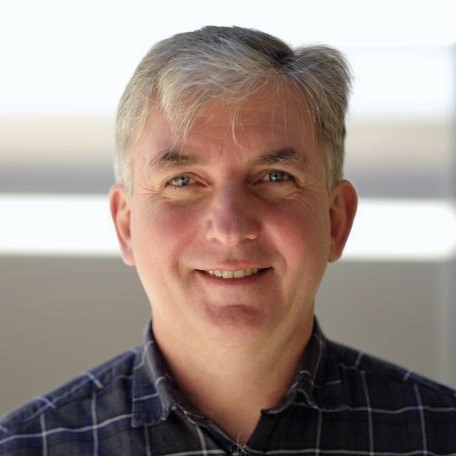
Lars Kaestner
Saarland University, Germany
Lars Kaestner is a physicist-turned-biophysicist who brings a rare “from molecules to measurement” perspective to medical science. After training across different countries, earning a PhD in electrophysiology, and leading R&D in the Oslo pharma start-up Gentian, he returned to academia at Saarland University in 2003. Today, he’s known for combining biology, medicine, and cutting-edge optical imaging tool development, bringing a rare “from molecules to measurement” perspective that makes complex physiology visible and actionable.
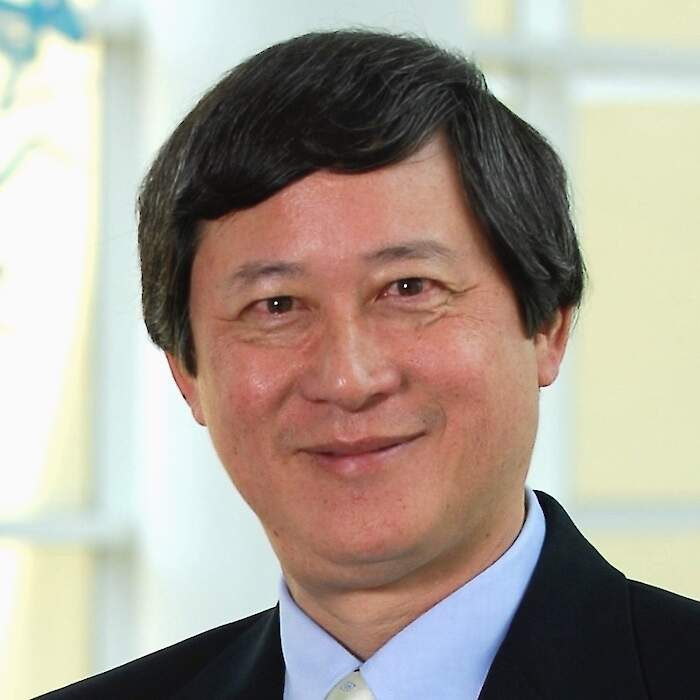
David Ku
Georgia Institute of Technology, USA
David N. Ku is a Regents’ Professor at Georgia Institute of Technology, Atlanta, USA, and the Lawrence P. Huang Endowed Chair for Engineering Entrepreneurship, an MD/PhD who bridges biofluid mechanics with real-world medicine. His lab uses microfluidics and multiscale modeling to understand how fast, high-shear blood flows can trigger dangerous clotting behind heart attacks and strokes, and how that physics can be translated into better diagnostics, therapies, and medical devices. In his plenary talk, he’ll highlight this “flow-to-bedside” path from fundamental mechanics to patient care.
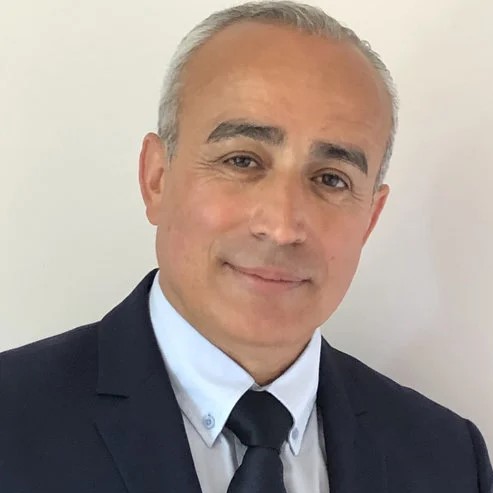
Antoine Ferreira
National Institute of Applied Science Centre Val de Loire, France
Antoine Ferreira is a leading voice in micro- and nanorobotics, known for turning active materials and precision control into robotic systems at microscopic scales. A professor of robotics engineering at Laboratoire PRISME (INSA Centre Val de Loire, Bourges), with early international research experience in Tsukuba, Japan, he focuses on the design, modeling, and control of micro/nanorobots, micro-nanomanipulation platforms, and bio-nanorobotic systems.
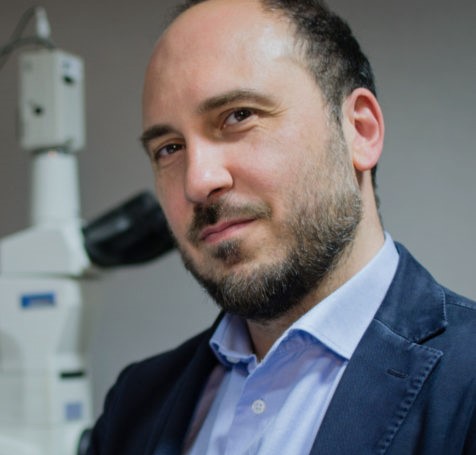
Roberto Di Leonardo
Sapienza Università di Roma, Italy
Roberto Di Leonardo is a Full Professor of Physics at Sapienza University of Rome who explores how motion works at micrometer scales, and how it can be engineered into controllable micro-systems. His lab develops “digital microscopes” that merge optics and computing to use light for high-precision imaging, fabrication, and active control of microscale devices built from synthetic parts and living components. A key theme of his work is propulsion at small scales, including flagellar dynamics and the idea of harnessing motile bacteria as microscopic work sources, concepts that sit right at the foundations of biohybrid microrobots and light-enabled micromanipulation.
Contacts
Viviana Andrea Claveria Pizarro
Hosted by Confenta & OnlineExpo